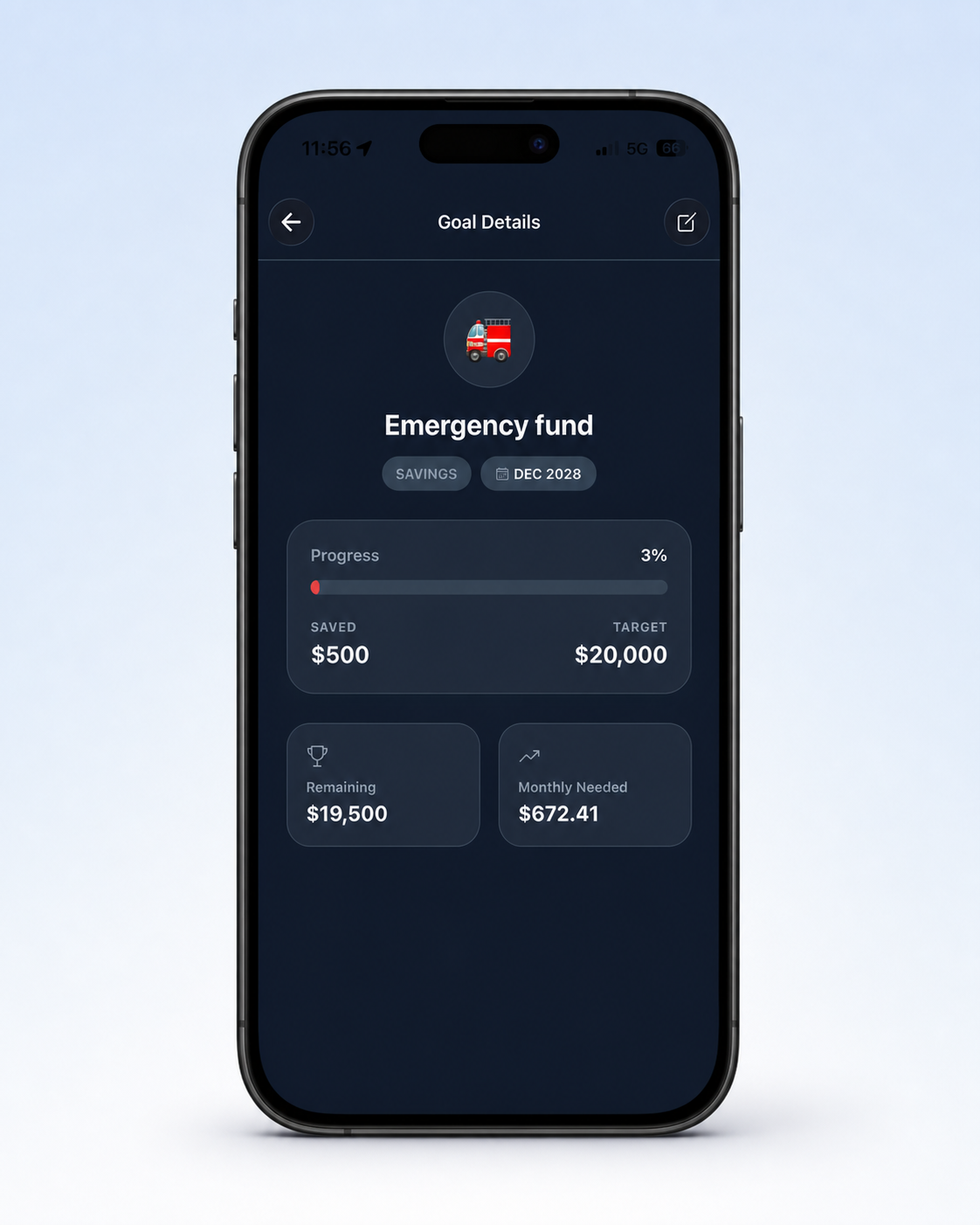
An emergency fund is money reserved for necessary, unexpected costs or a sudden loss of income. It is not an investment and it is not a general “nice to have” account. Its job is to buy time and keep a difficult month from becoming expensive debt.
Start with a first-line target
If a multi-month target feels distant, begin with the amount most likely to prevent a routine surprise from reaching a credit card. Review recent car, home, health, and insurance costs and choose a first milestone such as one insurance deductible or one month of essential expenses. Completing a smaller target creates useful protection while you work toward the full fund.
Calculate the full emergency fund
Add only essential monthly costs: housing, utilities, groceries, insurance, minimum debt payments, transportation, medicine, and required caregiving. Multiply that total by the number of months you want covered. The right range depends on job stability, household income sources, health needs, dependents, and insurance—not a universal rule.
Emergency fund target = monthly essential expenses × months of coverage
Give the money a safe home
Keep emergency savings accessible, separate from everyday spending, and protected from market swings. A dedicated savings account can reduce accidental spending while preserving access. Compare fees, withdrawal rules, deposit insurance, and transfer times before choosing an account.
Build contributions into the monthly budget
Treat the goal like a recurring bill. Set the Emergency fund goal in Budgeteer, enter the target and timeline, link the account holding the money, and choose a monthly contribution that fits after essentials and minimum debt payments. Use the savings goal calculator to test different dates. Direct windfalls such as rebates or gifts to the goal only when doing so does not create a shortfall elsewhere.
Decide what counts as an emergency
A valid withdrawal is generally necessary, urgent, and unplanned: essential repairs, a medical bill, emergency travel, or income replacement. Predictable costs such as annual insurance, holidays, and routine maintenance belong in separate sinking funds. Write your rule before the stressful moment arrives.
Refill after using it
Using the fund for a real emergency means it worked. Record the expense, update the linked balance, and temporarily move the refill contribution near the top of the budget. Review the target when rent, family size, insurance, or income changes.
Should I save or pay off debt first?
A starter buffer can prevent new debt while you make required payments. After that, compare debt cost and risk with the protection an additional month of cash provides.
Can I invest my emergency fund?
Emergency money generally prioritizes access and stability. Investments can lose value exactly when cash is needed, so long-term investing serves a different goal.