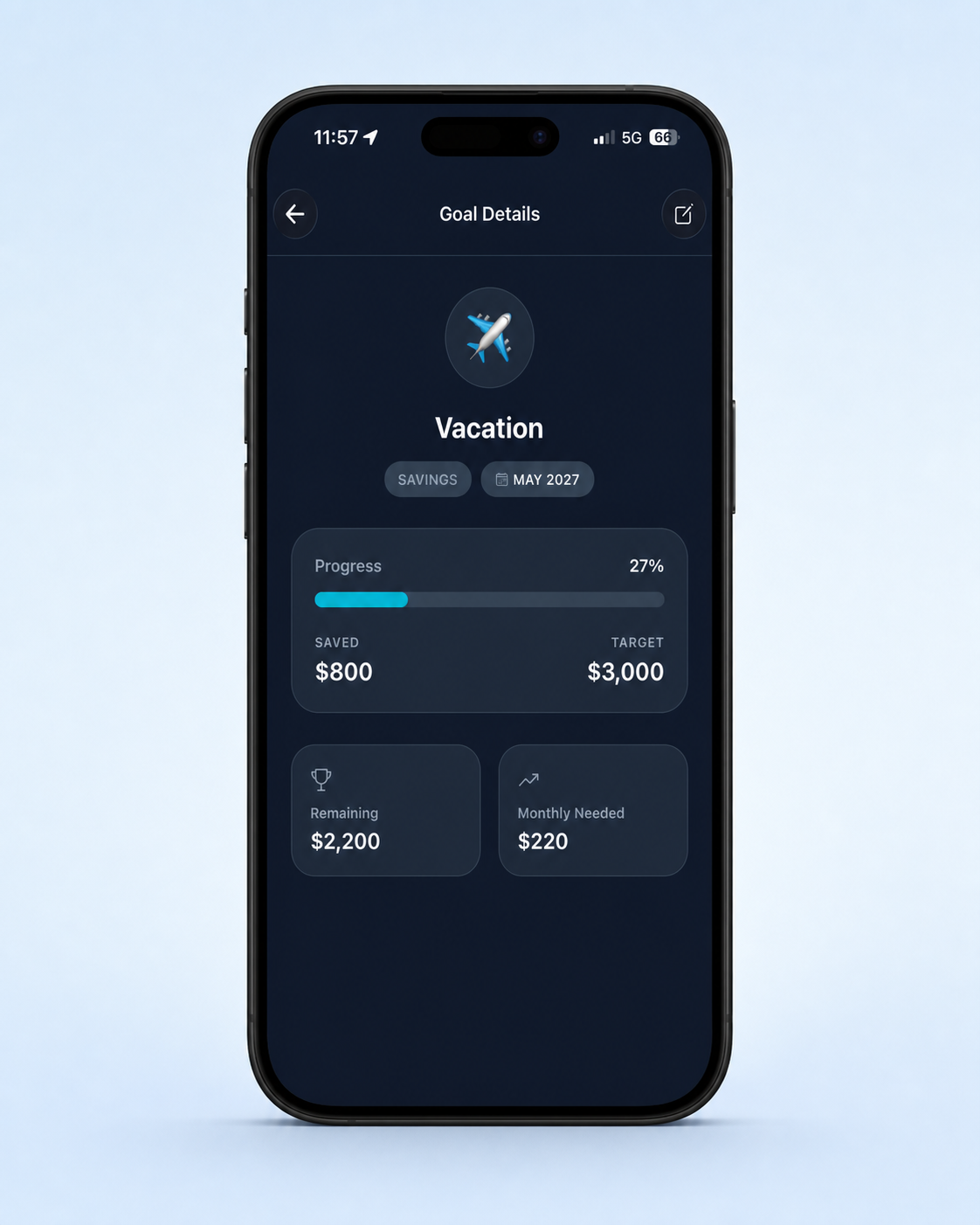
A vacation budget should cover the trip from the moment you leave home until the final card charge posts. Flights and hotels are easy to remember. Airport transport, meals, roaming, tips, taxes, and the first grocery run after returning are what often break the plan.
Choose the experience before the destination spends for you
Write down the trip’s priorities: rest, food, outdoor activities, family time, museums, or nightlife. Set the dates, number of travelers, and comfort level. This creates a useful frame for comparing destinations and deciding where to spend more.
Price the trip in categories
Estimate transport, accommodation, local travel, food, activities, documents, insurance, connectivity, pet or child care, luggage, and purchases. Include taxes and resort fees. For international travel, add an exchange-rate cushion and check card, ATM, and foreign transaction fees.
Add a travel buffer
Reserve money for fare changes, missed connections, medical needs, an extra night, or a memorable unplanned activity. Keep the emergency fund separate; a vacation contingency is expected travel money, while emergency savings protect the household.
Vacation target = booked costs + daily spending + pre-trip costs + contingency
Turn the total into monthly contributions
Subtract deposits already paid and dedicated savings, then divide by the number of pay periods before the trip. Create a Vacation goal in Budgeteer and link the account holding the funds. If the required contribution is too high, change the date, duration, destination, accommodation, or daily plan before booking nonrefundable items.
Track bookings and in-trip spending
Record every prepaid booking against its category rather than treating it as invisible because the trip is months away. During travel, add transactions while the details are fresh and compare the remaining category budget with the days left. See how to keep expense tracking simple.
Protect the month after the trip
Leave normal bills funded and consider the timing of card statement payments. Plan a low-cost return week for groceries, transport, and recovery. A trip is more enjoyable when it does not create a financial hangover.
How much spending money should I take?
Build a daily estimate from meals, local transportation, planned activities, tips, and personal purchases in the destination, then add a modest contingency.
Should I use a travel credit card?
Compare annual fees, rewards, insurance terms, acceptance, and foreign transaction fees. Rewards do not offset interest if the balance cannot be paid in full.