Credit-card debt is difficult because interest compounds while the card remains available for new spending. A successful payoff plan must do two jobs: reduce existing balances and prevent ordinary expenses from recreating them.
List every card on one page
Record the current balance, annual percentage rate, minimum payment, due date, promotional-rate end date, and any fees. Check statements rather than relying on memory. Continue minimum payments on every account to protect payment history and avoid penalties.
Stop the balance from growing
Build a bare-bones budget for current essentials and upcoming irregular costs. Remove cards from stored checkouts if that reduces temptation, but keep accounts accessible for monitoring. Start a small emergency buffer so the next repair does not automatically return to the card.
Choose avalanche or snowball
The debt avalanche sends extra money to the highest interest rate first and usually minimizes interest. The debt snowball targets the smallest balance first and can create faster visible wins. Both keep minimums on all other cards. Choose the method you are most likely to follow consistently.
Set the monthly payoff amount
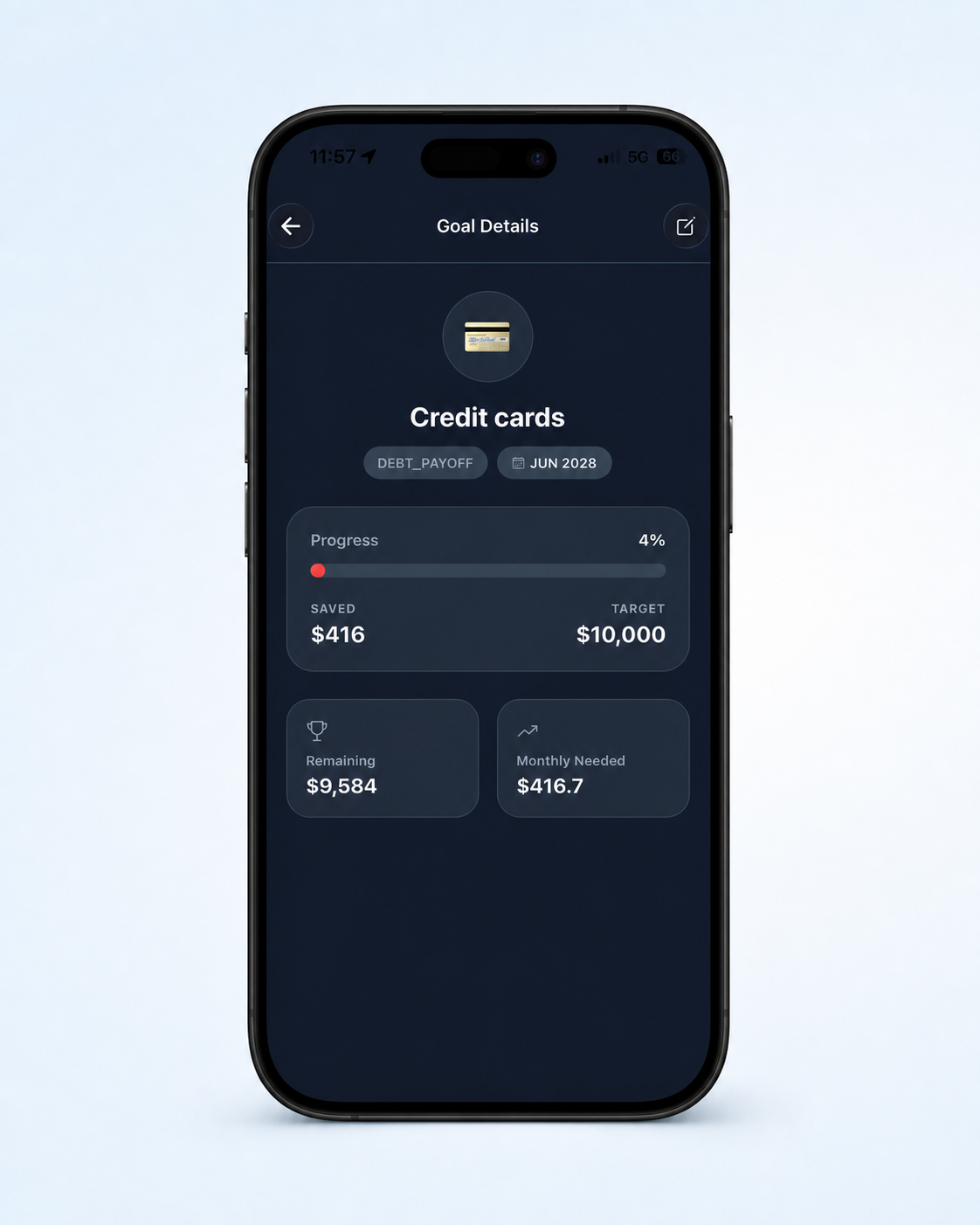
Find a repeatable amount after essential expenses and minimum payments. Create the Credit cards goal in Budgeteer, add balances, and track progress. Use the debt payoff calculator to compare payment amounts and timelines. When one card is cleared, roll its entire payment into the next target.
Evaluate lower-rate options carefully
A balance transfer or consolidation loan can reduce interest, but compare transfer fees, promotional deadlines, the new rate, loan term, total cost, and whether old cards will accumulate new balances. Never treat a lower monthly payment as proof that the debt became cheaper.
Ask for help before missing payments
Contact issuers early if payments are becoming unaffordable and ask about hardship options. Reputable nonprofit credit counselling may help evaluate a debt-management plan. Be cautious of companies promising quick forgiveness, instructing you to stop paying, or charging large upfront fees.
Should I close a card after paying it off?
Consider fees, spending risk, credit-history effects, and local credit-scoring practices. Closing can be reasonable, but it is a separate decision from paying the balance.
Should I keep saving while paying cards?
A starter buffer and required retirement or employer-benefit decisions may still matter. The right balance depends on interest cost and household risk.