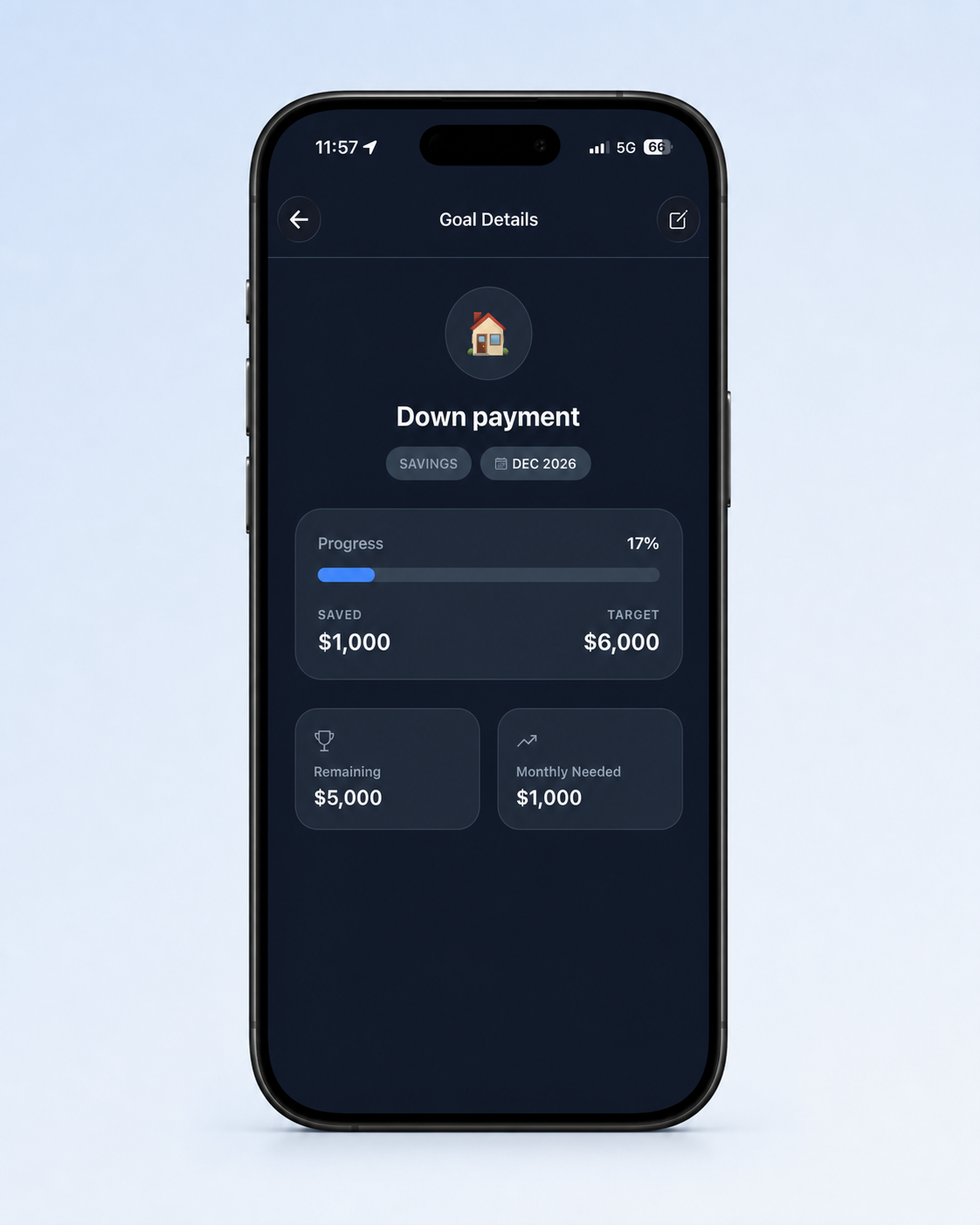
Saving for a home becomes clearer when you separate three decisions: a sustainable future housing payment, the cash required to close, and the reserves you want after receiving the keys. A larger purchase price is not automatically affordable simply because the down payment can be reached.
Choose a price range from the monthly payment
Estimate the full ongoing cost: mortgage principal and interest, property taxes, insurance, applicable association fees, utilities, maintenance, and commuting changes. Stress-test that total against the rest of your budget. A lender’s maximum and a comfortable household payment can be very different.
Build the complete cash target
Your down payment is one part of the purchase. Research the loan programs and rules in your location, then add estimated closing costs, inspection and appraisal costs, moving expenses, immediate repairs, and the emergency reserve you want to retain. Avoid counting the same savings as both the down payment and the post-purchase buffer.
Cash target = down payment + purchase costs + move-in costs + post-closing reserve
Turn the gap into a monthly number
Subtract money already reserved from the cash target, then divide the gap by the months until you hope to buy. If the contribution is unrealistic, adjust the timeline, price range, or down-payment assumption. Use the savings goal calculator to compare scenarios before treating a date as fixed.
Protect the goal from lifestyle drift
Create a Down payment goal in Budgeteer and link the dedicated savings account. Add the monthly contribution to your budget soon after income arrives. Review large categories for reductions you can sustain for years rather than attempting a severe plan that lasts six weeks. Direct raises or finished debt payments to the goal before spending expands.
Keep near-term money appropriately stable
The closer the purchase, the more damaging a sudden market decline could be. Match where you hold the money to the timeline, access needs, fees, and local account rules. A qualified financial professional can help with decisions involving investments, taxes, or homebuyer programs.
Prepare for ownership while saving
Practice paying the projected housing cost by transferring the difference between current and future costs into savings. This tests cash flow and accelerates the goal. Keep an emergency fund separate so the first repair does not undo the plan.
Do I need a 20% down payment?
Not always. Requirements vary by country, loan type, price, and borrower. Compare the total cost, insurance implications, and monthly payment of the options available to you.
Should closing costs come from the down payment fund?
Track them within the complete home-purchase target, but as a separate line so they do not unexpectedly reduce the intended down-payment amount.